Choosing the Right Season for a Phu Quoc Trip
Phu Quoc has two clear seasons, and picking between them shapes almost everything about your trip, from sea conditions to crowd levels.
The dry season: November to April
This is the window most international visitors aim for. Seas are calm, sunny stretches are long and average daytime temperatures sit around 26 to 28 degrees Celsius. Ferries to the southern islands run on a near-daily schedule. November to February brings the lowest humidity and clearest skies, so accommodation should be booked four to eight weeks ahead. March and April turn hot and dry and get busy with regional travellers around Tet and the Hung Kings holiday.
The rainy season: May to October
Expect short, heavy afternoon showers and a quieter, greener island. Rates drop, crowds thin out and the jungle looks spectacular for trekking. The trade-off is that boat trips to the An Thoi archipelago can be cancelled at short notice if the wind picks up. July and August can bring quick thunderstorms that reduce snorkelling visibility.
The shoulder months
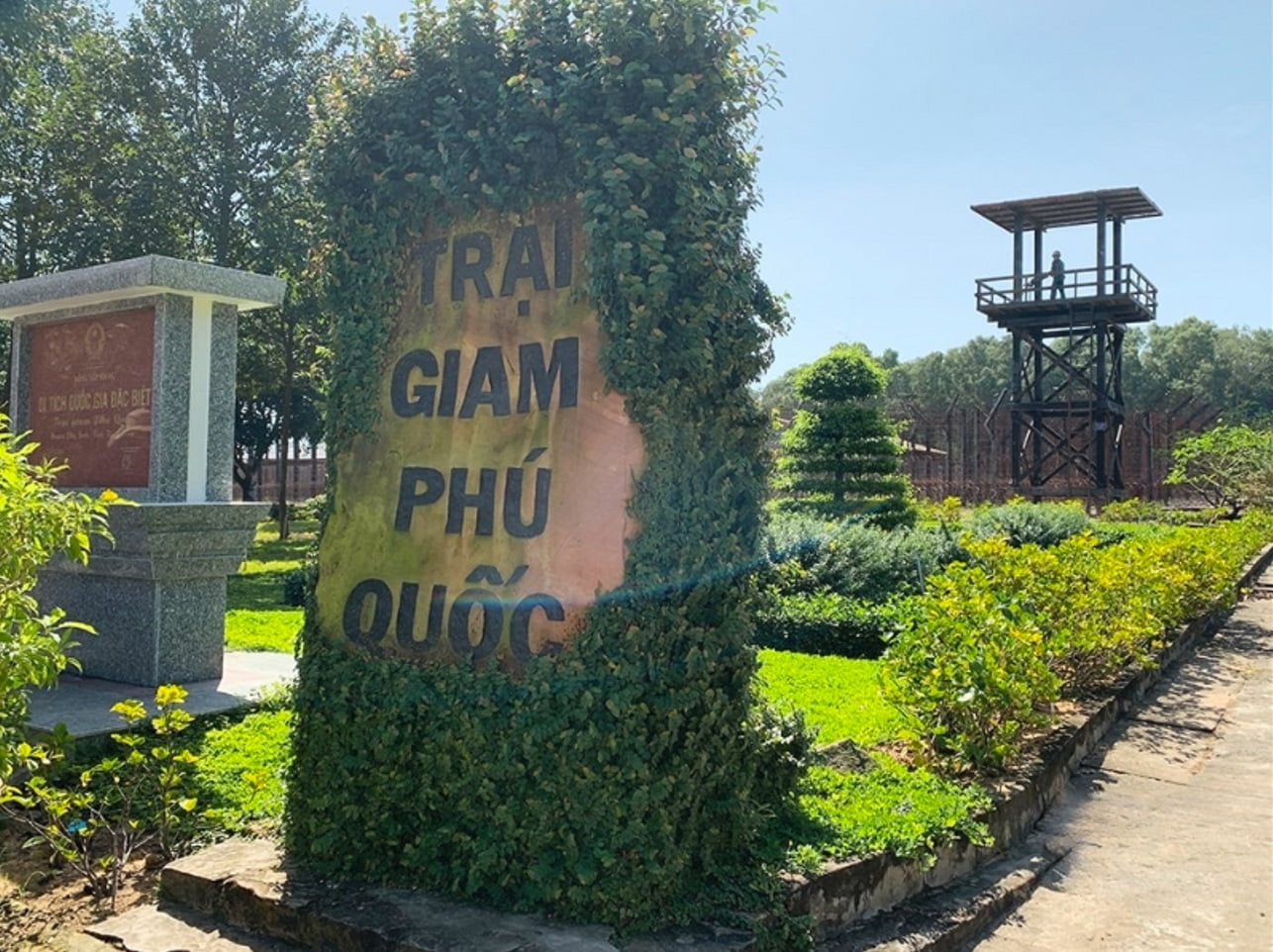 Minh hoạ: phu quoc vietnam
May and June sit in between. Showers arrive in the afternoon, but mornings are often clear, and value is strong. If you are flexible, these months can work well.
How to choose
- Want reliable sea days and island hopping: go between November and April.
- Want lower costs and green landscapes: consider May to October.
- Travelling in the green season: keep outer-island days flexible.
Conclusion
Match the season to your priorities and Phu Quoc rewards you either way. Further reading: seasons, attractions and areas on Phu Quoc.
#phuquoc #travelseason #weather